
Martial Arts Training For Children in Waldorf, Maryland | Articles to address what a Taekwondo school teaches | Issues or Questions a parent may consider about Karate training.
Enjoy this compilation of articles written by Waldorf, Maryland Martial Arts Master and 8th Degree Black Belt on the many benefits the Martial Arts have to offer children, teens, and adults.
Click on the arrow > to read a topic you are interested in learning more about.
Waldorf, Maryland Martial Arts Master Explains How Martial Arts training gives kids what the digital world never will:
Parents, we have to be intentional about how our kids are growing up.

Look at the average day.
School.
Home.
Homework (maybe).
Then hours on phones, tablets, video games, YouTube, Instagram, Snapchat.
And before we know it — the day is gone.
No physical challenge.
No real accountability.
No meaningful growth.
Our kids don’t need more screen time.
They need structure.
They need discipline.
They need responsibility.
They need real confidence — the kind that only comes from doing hard things.
They need to learn:
How to set goals and actually achieve them
How to push through when something feels difficult
How to respect authority and lead others
How to handle failure without quitting
How to look someone in the eye and speak with confidence
That doesn’t happen by accident.
It happens in the right environment.
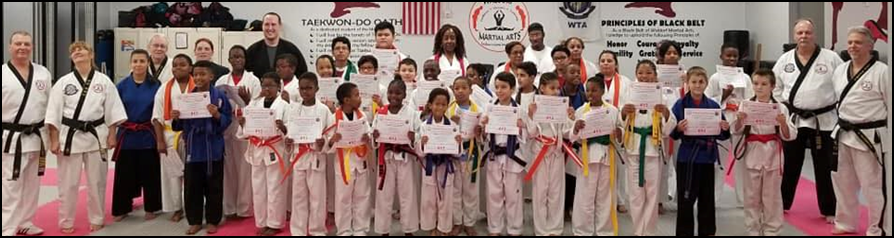
Martial Arts training gives kids what the digital world never will:
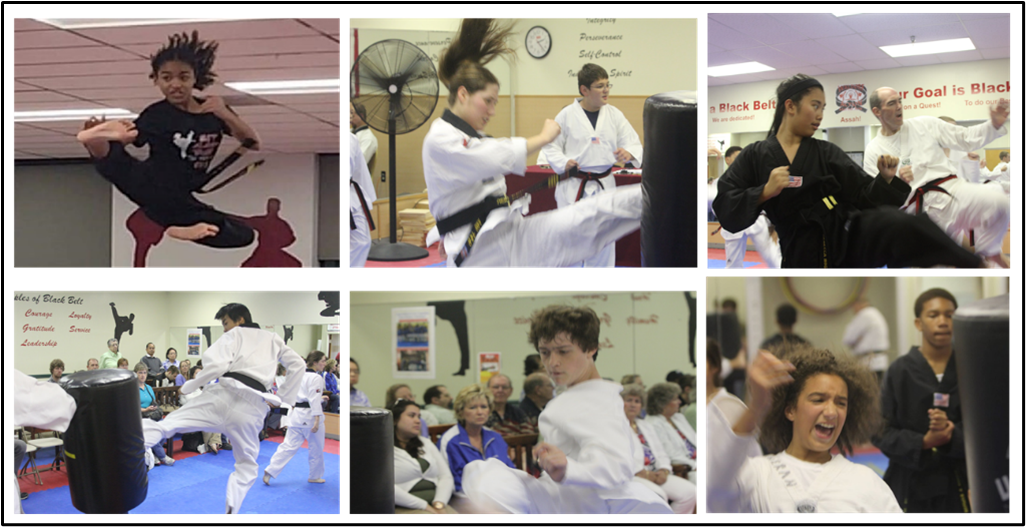
Physical challenge.
Clear expectations.
Positive peer pressure.
Strong mentors.
Real accountability.
They sweat.
They struggle.
They grow.
They learn how to say no to peer pressure.
They learn how to handle bullies.
They learn how to focus better in school.
They learn that discipline equals freedom.
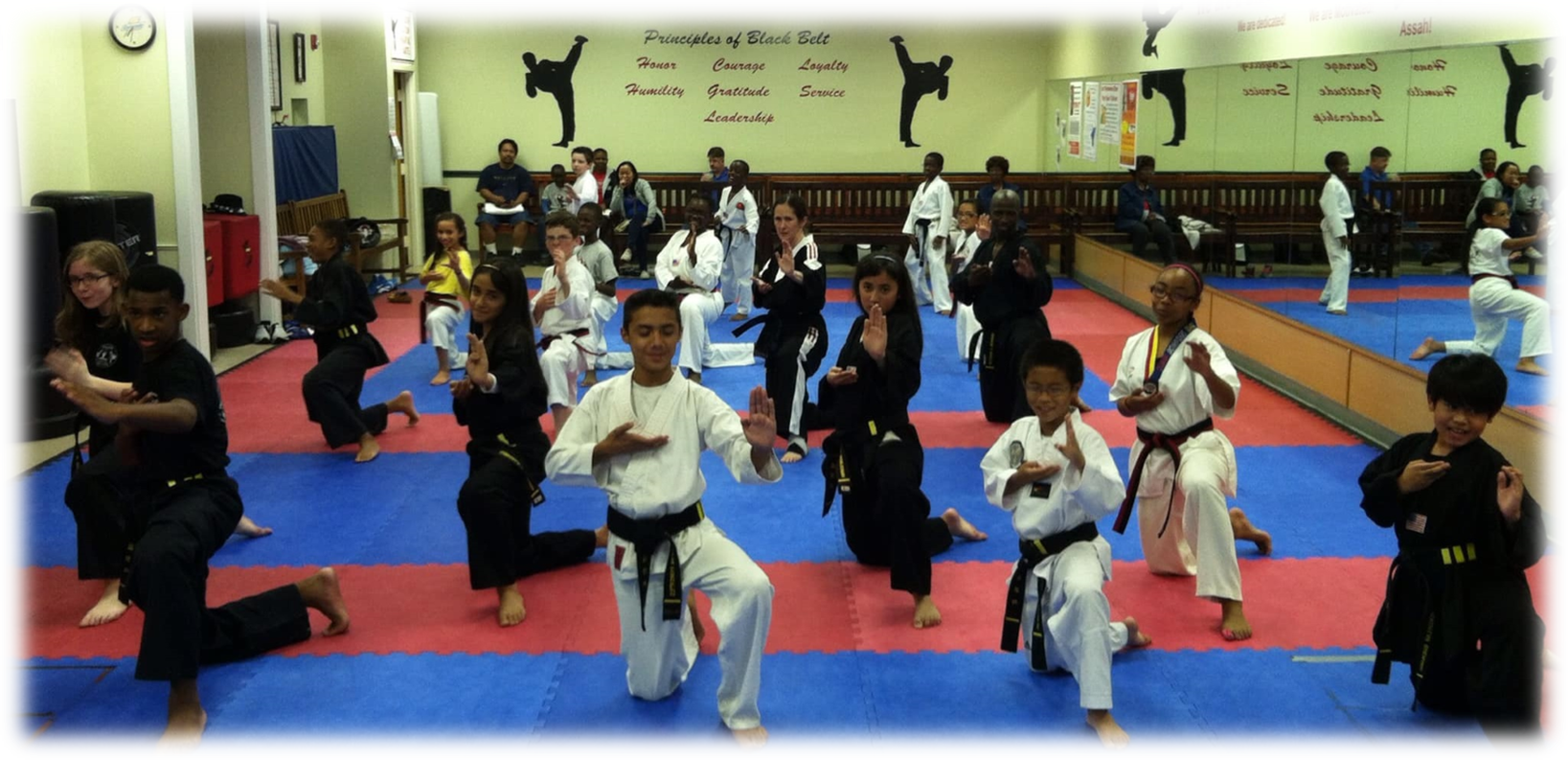
And something powerful happens…
They start carrying themselves differently.
They speak differently.
They think differently.
If you’re tired of watching your child disappear into a screen…
If you know they’re capable of more…
If you want them to be healthy, confident, disciplined, and prepared for real life —
Then it’s time to take action.
Enroll them in a Youth Martial Arts Program.
Stop hoping they’ll “grow out of it.”
Start giving them an environment that helps them grow into something better.
Call us.
Stop by.
Or schedule a free introductory lesson today at https://waldorfmartialarts.com/make-an-appointment/ to see the difference Martial Arts can make.
Your child’s future won’t be shaped by accident.
It will be shaped by what you decide to do next.
Let’s get to work!
www.waldorfmartialarts.com
Author: Senior Master Roger Cavanaugh, 8th Degree Black Belt, has studied martial arts since 1977 and has taught martial arts in Waldorf Maryland since 1987.
Waldorf Martial Arts, 2770 Old Washington Rd. Waldorf, Maryland 20601
301-645-1650
Waldorf Maryland Martial Arts Master Explains Why Martial Arts Are a Must for Tween and Teen Girls.
In today’s world, parents are understandably concerned about their daughters’ safety. Between online predators, human trafficking, bullying, and increasing reports of violence among teenage girls, it can feel overwhelming.
And yes — it’s scary.
But fear alone isn’t a strategy. Preparation is.
The Reality Facing Tween and Teen Girls
Today’s girls face challenges previous generations did not encounter at the same level:
- Online predators and social media manipulation
- Bullying — including physical altercations between girls
- Peer pressure and risky decision-making
- Leaving home for college and navigating independence
We enroll many tween and teen girls into our program not just to learn physical self-defense — but to develop something even more powerful:
Confidence. Discipline. Awareness. Character.
When girls build true self-confidence, they carry themselves differently. They become less likely targets. They project strength instead of vulnerability. And in many cases, bullying stops altogether. I’ve personally spoken with students who had to use their training — and their bullying problems disappeared. Their parents were overjoyed.
College-Bound Young Women
When young ladies leave for college, they begin making independent decisions for the first time. Most decisions will be fine. But sometimes poor judgment or dangerous situations arise unexpectedly.
That’s every parent’s worst nightmare.
Martial arts training doesn’t just teach kicks and punches — it teaches situational awareness and decision-making under pressure.
What Is Situational Self-Defense?
True self-defense starts before physical contact ever happens.
We teach girls to:
- Recognize warning signs early
- Stay aware of their surroundings
- Avoid dangerous situations whenever possible
- Project confidence and readiness
If someone is walking alone at night staring at their phone or wearing earbuds, they are not aware of their surroundings. That vulnerability matters. Awareness is a skill — and it can be taught.
When Preparation Makes the Difference
I will never forget a 17-year-old student who left a local mall after dark. As she approached her car, four teenage boys approached her. One grabbed her.
Because of her training, she had her keys positioned between her fingers — something we teach for situations like this. When grabbed, she instinctively raked the keys across his face, creating immediate shock and injury. His friends fled. She got in her car and drove away shaken — but safe.
That moment could have ended very differently without training.
More Than Self-Defense
A quality martial arts program develops far more than physical skills. It builds:
- Self-confidence
- Respect
- Integrity
- Self-control
- Perseverance
- Strength, coordination, and agility
- Sharp reflexes
It is a full-body workout in a caring, positive environment — nothing like what you see on television or in movies. It becomes a place where girls build friendships with positive peers and mentors.
The Bottom Line
Martial arts is not about fear.
It’s about preparation.
It equips your daughter with life skills and physical skills that last a lifetime.
If this sounds like something your family may be interested in, I encourage you to read my article, “Tips to Help You Find the Right Martial Arts School,” at: https://waldorfmartialarts.com/blogs/
Or schedule a free consultation and introductory class here:
https://waldorfmartialarts.com/make-an-appointment/
Senior Master Roger Cavanaugh
8th Degree Black Belt
Teaching martial arts in Waldorf, Maryland since 1987
Waldorf Martial Arts, 2770 Old Washington Rd. Waldorf, Maryland 20601
Phone: 301-645-1650
#WaldorfMD, #SouthernMaryland, #WaldorfMartialArts, #KidsMartialArtsWaldorf, #ChildrenKarate, #YouthMartialArts, #AfterSchoolActivities, #MartialArtsForKids, #BuildConfidence, #ParentingWaldorf, #CharlesCountyMD
Waldorf, Maryland Martial Arts Master Has an Important Message for Parents.
Parents, I can’t shake this thought… we have to be intentional about how our kids are growing up.
Look at the average day.
School.
Home.
Homework (maybe).
Then hours on phones, tablets, video games, YouTube, Instagram, Snapchat.
And before we know it — the day is gone.
No physical challenge.
No real accountability.
No meaningful growth.
Our kids don’t need more screen time.
They need structure.
They need discipline.
They need responsibility.
They need real confidence — the kind that only comes from doing hard things.
They need to learn:
How to set goals and actually achieve them
How to push through when something feels difficult
How to respect authority and lead others
How to handle failure without quitting
How to look someone in the eye and speak with confidence
That doesn’t happen by accident.
It happens in the right environment.
Martial Arts training gives kids what the digital world never will:
Physical challenge.
Clear expectations.
Positive peer pressure.
Strong mentors.
Real accountability.
They sweat.
They struggle.
They grow.
They learn how to say no to peer pressure.
They learn how to handle bullies.
They learn how to focus better in school.
They learn that discipline equals freedom.
And something powerful happens…
They start carrying themselves differently.
They speak differently.
They think differently.
If you’re tired of watching your child disappear into a screen…
If you know they’re capable of more…
If you want them to be healthy, confident, disciplined, and prepared for real life —
Then it’s time to take action.
Enroll them in a Youth Martial Arts Program.
Stop hoping they’ll “grow out of it.”
Start giving them an environment that helps them grow into something better.
If you live in Waldorf, Brandywine, Clinton, White Plains, or Bryantown Maryland,
Give us a Call. 301-645-1650
Stop by.
Or schedule a free introductory lesson today at https://waldorfmartialarts.com/make-an-appointment/ to see the difference Martial Arts can make.
Your child’s future won’t be shaped by accident.
It will be shaped by what you decide to do next.
Let’s get to work. ?
Author: Senior Master Roger Cavanaugh, 8th Degree Black Belt, has studied martial arts since 1977 and has taught martial arts in Waldorf Maryland since 1987.
Waldorf Martial Arts, 2770 Old Washington Rd. Waldorf, Maryland 20601
Phone: 301-645-1650
#WaldorfMD, #SouthernMaryland, #WaldorfMartialArts, #KidsMartialArtsWaldorf, #ChildrenKarate, #YouthMartialArts, #AfterSchoolActivities, #MartialArtsForKids, #BuildConfidence, #ParentingWaldorf, #CharlesCountyMD
“Is Martial Arts Training Good Exercise If My Child Needs to Lose Weight?” Waldorf Maryland Martial Arts Master Says “Yes!”.
Many parents worry about their child’s weight—not just for appearance, but for long-term health, confidence, and overall happiness. If you’re asking whether martial arts is good exercise for a child who needs to lose weight, the short answer is yes—and often, it’s one of the best options available.
Why Martial Arts Is an Excellent Workout for Kids
Martial arts training is a full-body workout that naturally combines cardio, strength, flexibility, and coordination. A typical class includes running, jumping, kicking, punching, balance drills, and controlled partner exercises. All of this keeps kids moving almost constantly—burning calories without feeling like they’re “working out.”
Unlike traditional sports, martial arts classes are structured so every child is active, regardless of size, skill level, or athletic background. There’s no sitting on the sidelines, and no pressure to outperform others.
Weight Loss Without the Stress or Shame
One of the biggest challenges for children who need to lose weight is motivation. Many kids feel uncomfortable in competitive sports or gym environments, especially if they’ve struggled in the past.
Martial arts removes that pressure. Progress is measured against personal improvement, not against other children. This helps kids stay engaged, consistent, and positive—key ingredients for healthy weight loss.
When paired with a sensible diet, martial arts training can lead to:
- Improved cardiovascular health
- Increased muscle tone and strength
- Better endurance and flexibility
- Healthy, sustainable weight loss
Building Confidence Alongside Fitness
As children become stronger and more capable, something important happens: their confidence grows. Kids who feel good about their bodies are more likely to stay active, make healthier choices, and believe in themselves.
Martial arts also teaches discipline, goal-setting, and perseverance. Each belt earned reinforces the idea that effort leads to success—both on and off the mat. That confidence carries into school, social situations, and family life.
Supporting Mental and Emotional Health
Physical health and emotional health go hand in hand. Martial arts training helps children:
- Reduce stress and anxiety
- Improve focus and self-control
- Develop a positive self-image
- Build healthy routines
These benefits are especially important for children who may feel discouraged or self-conscious about their weight.
A Healthy Habit That Can Last a Lifetime
Unlike short-term fitness programs or seasonal sports, martial arts can become a lifelong activity. Kids learn skills they can continue practicing as teens and adults, helping them maintain a healthy lifestyle well into the future.
Is Martial Arts Right for Your Child?
Every child is different—but martial arts is adaptable, inclusive, and supportive. It meets children where they are and helps them grow at their own pace.
? Click here to schedule a free consultation and introductory class and see if our martial arts program is the right fit for your family.
Click here to schedule a free consultation and introductory class to see if our martial arts program is right for your family! We invite you to come explore how our martial arts program can inspire your child to achieve great things. There’s no risk, no cost, and no pressure—just an opportunity to explore how martial arts can inspire your child to achieve great things.
Author: Senior Master Roger Cavanaugh, 8th Degree Black Belt, has studied martial arts since 1977 and has taught martial arts in Waldorf, Maryland since 1982.
“Will My Child Stick with Martial Arts Training?” A Recipe to Increase the Odds! Waldorf Maryland Martial Arts Master Explains.
One of the most common questions parents ask themselves before enrolling their child in martial arts is, “Will my child stick with it?”
The honest answer is: maybe… maybe not.
There isn’t a simple yes or no. Whether a child continues in martial arts depends on several factors working together. Think of it like a recipe. When the right ingredients are present—and consistently applied—the odds of long-term success increase dramatically. When key ingredients are missing, even a child with great potential may eventually drift away.
Let’s break down that recipe.
Ingredient #1: Consistent Practice Creates Progress
The most important ingredient in sticking with any activity is seeing progress. Children stay involved in things they feel they’re getting better at. But improvement doesn’t happen automatically. It happens through consistent effort. When a student attends class regularly and practices at home, even for 10–20 minutes a few times a week, their skills begin to sharpen. Techniques improve. Coordination develops. Confidence grows.
And here’s where the real magic happens:
Consistent Practice ? Progress ? Accomplishment ? Higher Self-Esteem ? Pride & Fun ? Sticking Around
When a child feels progress, they feel accomplished.
When they feel accomplished, their self-esteem increases.
When their self-esteem increases, they experience pride.
And when they feel proud of themselves, training becomes fun.
A child won’t continue doing something that feels frustrating or unrewarding. But when training becomes a source of pride and enjoyment, they want to keep coming back.
Ingredient #2: Commitment — Especially from the Parent
Martial arts is not a seasonal activity. It is not something a student tries for a few months and fully benefits from. Martial arts is a discipline—one that requires time, patience, and perseverance. Students should attend class two to three times per week on a consistent basis. To truly experience the deeper life skills—confidence, discipline, resilience, leadership—it often takes two to three years of steady training.
That commitment doesn’t belong only to the student. It belongs to the parent even more. A child’s likelihood of success increases dramatically when parents:
- Bring them to class consistently
- Stay and watch their training; not scrolling on their phone
- Encourage home practice
- Offer sincere, heartfelt praise when it’s earned
When parents are physically present and emotionally invested, children sense that support. They understand that training matters.
On the other hand, when a student is frequently dropped off, attends sporadically, or comes two to three times one month and barely attends the next, progress slows. When progress slows, discouragement sets in. Eventually, the child begins resisting class—and parents can only push for so long before giving in.
Consistency from the parent fuels consistency from the child.
Ingredient #3: The Belt System — Visible Milestones of Growth
One of the powerful motivators in martial arts is the belt ranking system. Each belt represents a level of growth—from beginner to intermediate to advanced and ultimately Black Belt. These ranks are not given away. They are earned. Students must attend a required number of classes and demonstrate satisfactory knowledge and performance of the curriculum at promotional gradings. Advancement is based on preparation, effort, and mastery. When a student earns a new belt, it symbolizes more than just technical skill. It represents dedication, improvement, and perseverance.
The belt system reinforces the success formula:
Parent Commitment ? Consistent Practice ? Progress ? Achievement ? Confidence ? Pride ? Continued Participation
Without consistent attendance and preparation, however, a student cannot properly prepare for gradings. Missing classes means missing curriculum. Missing curriculum means slower progress. And slower progress can weaken motivation.
The belt system works beautifully—when supported by consistency.
Ingredient #4: Instruction That Keeps Kids Engaged
Another major factor in whether a child sticks with martial arts is the instructor’s teaching style. When I began training in the 1970s, most students were young adult men. Training was highly regimented and repetitive. We drilled the same techniques every class, in the same format, day after day—and we loved it.
Today, however, most schools teach a large number of children. And for children, repetition without variation often leads to boredom. And boredom is the enemy of progress. That’s why modern martial arts instruction incorporates what’s known as “disguised repetition.” The technique is practiced repeatedly—but in many different ways. A kick might be trained using focus mitts, kick shields, heavy bags, partner drills, slow-motion breakdowns, combinations, or reaction exercises. The skill is reinforced, but the experience remains fresh and engaging. When children are sweating, smiling, learning, and feeling successful, they stay involved.
If you’re evaluating a school, ask yourself:
Are the kids engaged?
Are they challenged?
Are they having fun while learning discipline?
That balance is critical.
The Missing Ingredient: Passion
Even when every other ingredient is in place, one final factor remains: the child’s passion. Some children immediately fall in love with martial arts. Others take time to develop that connection. And occasionally, a child simply doesn’t resonate with it—and that’s okay. But when passion develops—supported by progress, structure, parental involvement, and engaging instruction—martial arts can become more than an activity. It can become a defining part of a young person’s life.
So… Will Your Child Stick With It?
It depends on the recipe.
When parents commit, attendance is consistent, progress is visible, instruction is engaging, and the child develops passion, the odds increase dramatically that martial arts will become a long-term journey. And when that happens, the rewards extend far beyond punches and kicks. Martial arts teaches children how to persevere when things are difficult. It teaches them to set goals and work toward them. It teaches responsibility, focus, respect, and self-control. It teaches them how to succeed—not just in class, but in life.
A Parent’s Words
Below is an excerpt from a letter we received from a parent:
“As a parent, if you are lucky, once in a lifetime your child will be exposed to people or an experience that will change their lives forever. You have done that repeatedly for Josh, and I am eternally grateful. I frequently have people tell me what a great kid he is – and I immediately tell them it’s all thanks to you at Waldorf Martial Arts.
You have an awesome program that not only teaches kids a martial art, but to use it responsibly. By teaching the kids this, they learn focus and how to fit into today’s society. Whether you realize it or not, you are teaching not just Tae Kwon Do, you are teaching kids how to succeed in life.
I wanted to ensure you knew just how much you are touching the young lives in our community. I am proud to know you and I am forever in your debt.”
— Mark M., Father
Final Thoughts
If you’re wondering whether your child should try martial arts, my advice is simple: try it. Follow the recipe. Stay consistent. Be involved. Encourage progress. Support the process. Do that, and you won’t just increase the odds that your child sticks with martial arts—you may give them skills and confidence that last a lifetime.
Author: Senior Master Roger Cavanaugh, 8th Degree Black Belt, has studied martial arts since 1977 and has taught martial arts in Waldorf, Maryland since 1982.
“My Child Has Never Been Good at Sports — Can They Do Martial Arts?” Waldorf Maryland Martial arts Master Explains.
This is one of the questions we hear from parents. Many children struggle in traditional sports, and not because they lack ability—but because team sports often rely on competition, comparison, and natural athleticism. If your child has ever felt left out, discouraged, or stuck on the bench, you may be wondering if martial arts would be any different.
The good news? Martial arts is not like traditional sports at all.
No Benches. No Tryouts. No Being “Picked Last.”
At Waldorf Martial Arts, no child sits on the bench. Every student participates fully in every class, regardless of experience, size, or athletic background. There are no tryouts, no cuts, and no pressure to keep up with teammates.
Martial arts is an individual journey. Students are not competing against others—they are working toward their own personal best. Progress is based on effort, focus, and consistency, not natural speed or strength.
Martial Arts Is About Growth, Not Comparison
In traditional sports, children are often measured against others. In martial arts, they are measured against who they were yesterday.
Each child learns at their own pace, building skills step by step. This approach allows children who may not excel in sports to experience success, sometimes for the very first time. That success becomes a powerful motivator and confidence booster.
It’s Not Just Punching and Kicking
Martial arts is about far more than physical techniques. At its core, it is a character development program.
Along with learning kicks and punches, students are taught:
- Focus and concentration
- Self-discipline and respect
- Perseverance through challenges
- Emotional control and confidence
These life skills are just as important—if not more so—than the physical training.
Confidence Changes Everything
Once a child begins to believe in themselves, everything changes.
As confidence grows, children stand taller, speak more clearly, and approach challenges with a new mindset. Many parents tell us they see improvements not only in physical ability, but also in school performance, social interactions, and behavior at home.
When children realize they can succeed, they start to believe they can achieve anything they set their mind to.
A Safe, Supportive Environment for Every Child
Martial arts classes are structured, positive, and encouraging. Mistakes are treated as part of the learning process—not failures. This creates a safe space for children who may have felt discouraged or anxious in other activities.
Because students are guided by instructors who focus on effort and attitude, children feel supported instead of judged.
Is Martial Arts Right for Your Child?
You don’t need to be athletic. You don’t need prior experience. You just need the willingness to try.
? Click here to schedule a free consultation and introductory class to see if our martial arts program is the right fit for your family.
There’s no risk, no cost, and no hassle—just an opportunity to explore how martial arts can help your child build confidence, character, and lifelong skills.
We would love to welcome you and show you firsthand how martial arts can inspire your child to achieve great things.
What Parents Are Saying
Parents of children who struggled in sports often tell us martial arts was a turning point:
“My son hated sports. He was always anxious and afraid of letting the team down. Martial arts changed everything. He finally feels successful at something, and his confidence has exploded.”
“This is the first activity where my child has never felt compared to anyone else. The instructors focus on effort, not athletic ability—and that’s made all the difference.”
“My daughter was never ‘sporty,’ but martial arts gave her structure and confidence. She’s more focused in school and believes in herself now.”
“I was worried my child wouldn’t fit in because they struggled in team sports. Instead, martial arts became the place where they truly shine.”
Author: Senior Master Roger Cavanaugh, 8th Degree Black Belt, has studied martial arts since 1977 and has taught martial arts in Waldorf, Maryland since 1982.
Will Martial Arts Training Make My Child Aggressive? Waldorf Maryland Taekwon-Do Master Explains!
One of the most common questions parents ask before enrolling their child in martial arts is, “Will this make my child more aggressive?” It’s a fair concern. After all, martial arts involve kicking, punching, and self-defense skills. However, when taught properly, martial arts training does not make children aggressive. In fact, it often helps children become calmer, more disciplined, and more respectful in everyday life.
Understanding the difference between learning to fight and learning self-control is key.
What Martial Arts Really Teach Children
Quality martial arts instruction places character development ahead of physical techniques. While children do learn how to defend themselves, that is only one small part of the training. The primary focus is on teaching students how to think, make responsible choices, and manage their emotions.
From the first day of class, students are taught that martial arts skills are for protection only. They learn that avoiding conflict is always the preferred option and that physical self-defense is a last resort. This mindset helps children understand that strength comes from control, not aggression.
Self-Control Comes Before Self-Defense
A well-run martial arts school emphasizes self-control, discipline, and respect before introducing advanced techniques. Children are taught:
- To listen carefully and follow instructions
- To respect instructors, classmates, and authority figures
- To stay calm under pressure
- To think before reacting
Because of this structured environment, students learn how to pause, assess a situation, and make smart decisions. These lessons carry over into school, home, and social settings.
Why Martial Arts Do Not Create Bullies
Many parents worry that giving a child physical skills will encourage bullying. In reality, children who bully often lack confidence, discipline, and positive guidance. Martial arts addresses those gaps directly.
Since the 1990s, martial arts training has evolved from being primarily competition-focused into a personal development program for children. Most modern schools emphasize values such as respect, integrity, perseverance, focus, and self-control. Students who demonstrate poor behavior are corrected immediately, and misuse of techniques is not tolerated.
As children gain confidence through training, they are actually less likely to feel the need to prove themselves through aggression.
The Impact of Confidence on Behavior
One of the greatest benefits of martial arts training is increased self-confidence. Confident children are more secure in themselves and less reactive when faced with challenges or teasing. They learn how to handle frustration without anger and how to stand up for themselves without becoming confrontational.
This confidence often leads to:
- Better communication skills
- Improved emotional regulation
- Reduced anxiety in social situations
Instead of reacting physically or emotionally, trained students are better equipped to respond thoughtfully.
Positive Changes at School and at Home
Parents frequently report noticeable improvements in their child’s behavior after starting martial arts. These improvements may include:
- Better focus and attention in school
- Improved grades and classroom behavior
- Increased respect toward parents, teachers, and peers
- Greater responsibility and accountability
The structured nature of martial arts classes reinforces positive habits that support success in all areas of life.
The Role of Values, Pledges, and Principles
A reputable martial arts school should clearly communicate its expectations for behavior. Many schools use a student pledge or code of conduct to reinforce proper attitudes both inside and outside the classroom.
In Taekwon-Do, students follow a set of guiding principles that emphasize moral development as much as physical training. These principles include Courtesy, Integrity, Perseverance, Self-Control, and Indomitable Spirit. Students are taught to respect their instructors, parents, and fellow students and to never misuse their training.
These values help children understand that martial arts is about becoming a better person—not about dominance or aggression.
Choosing the Right Martial Arts School Matters
Not all martial arts schools are the same. The instructor’s philosophy and teaching style play a major role in how training affects a child. Parents should look for a school that:
- Emphasizes respect and discipline
- Clearly addresses appropriate behavior
- Has rules against misuse of techniques
- Communicates openly with parents
A good school will prioritize safety, character development, and personal growth over competition or ego.
The Bottom Line
Martial arts training, when taught in a structured and values-based environment, is not only safe for children—it is one of the most effective ways to teach life skills. Far from making children aggressive, martial arts helps them develop self-control, confidence, respect, and sound judgment.
These lessons extend far beyond the training floor and help children grow into responsible, well-rounded individuals.
Want to learn how to choose the right martial arts school for your child?
Read my article on what parents should look for in a quality program:
https://waldorfmartialarts.com/blogs/
Author: Senior Master Roger Cavanaugh, 8th Degree Black Belt, has studied martial arts since 1977 and has taught martial arts in Waldorf, Maryland since 1982.
What Tae Kwon Do Is Really About — For Parents in Waldorf, Maryland
Many parents think of Tae Kwon Do as just self-defense, a sport, or an after-school activity for kids—something they try for a season like soccer or football. Others worry it might be too aggressive or tied to unfamiliar beliefs. These are common questions, and they deserve clear answers.
After nearly 50 years of teaching Tae Kwon Do here in Waldorf, I can confidently say this: true Tae Kwon Do is about building strong character, confidence, and self-control—not violence.
More Than Kicks and Punches
While Tae Kwon Do teaches physical skills like kicking and punching, that’s only a small part of what your child is learning. At its core, Tae Kwon Do is a way of helping children grow into confident, respectful, and disciplined young people.
Unlike many sports, Tae Kwon Do isn’t something kids “outgrow.” The lessons learned—focus, perseverance, respect, and self-belief—stay with them for life.
Building the Whole Child
Traditional Tae Kwon Do helps children develop in three important areas:
- Physical: Improved coordination, strength, balance, and fitness
- Mental: Confidence, focus, emotional control, and resilience
- Character: Respect, humility, responsibility, and self-discipline
As children gain physical skills, they naturally gain confidence. As their confidence grows, so does their ability to make better choices—both in and out of the classroom.
Values That Matter to Parents
Tae Kwon Do has deep roots in teaching honor, respect, and responsibility. Children are taught to respect their parents, instructors, classmates, and themselves. They learn that strength is meant to protect—not harm.
Students are taught to avoid conflict whenever possible. Walking away, using words, and making smart decisions always come first. Physical skills are a last resort, and misuse is never acceptable.
Growth Takes Time—and That’s the Point
There are no shortcuts in Tae Kwon Do. Progress comes through effort, patience, and consistency. This is one of the greatest gifts martial arts gives children: the understanding that real achievement comes from hard work and commitment.
Over time, parents often notice improvements in their child’s behavior, confidence, focus at school, and ability to handle challenges.
The Bigger Picture
The ultimate goal of Tae Kwon Do isn’t just earning belts—it’s helping children become kind, confident, capable leaders who contribute positively to their families and communities.
When taught properly, Tae Kwon Do helps build peaceful, respectful individuals—and that’s something every parent wants for their child.
www.waldorfmartialarts.com
Master Cavanaugh, AKA: Mr. C., is an 8th Degree Black Belt in Taekwondo. He has studied Martial Arts since 1977 and has taught since 1982.
Tips to Help You Choose the Right Martial Arts School.
Introduction
Choosing a martial arts school can be a challenging process due to the variety of styles and programs available. It’s important to ask the right questions before making a final decision about where you or your child will train. As a long-time consumer advocate in the martial arts community, my goal is to help you understand what to look for in a school. Here are some helpful tips to guide your selection process.
Focus on Program Emphasis, Not Style
When selecting a martial arts school, the specific style of martial arts should not be your primary consideration. Instead, pay attention to what the martial arts program emphasizes. For children and families, the instruction should center on personal development rather than solely on fighting techniques. Martial arts programs can foster self-esteem, self-confidence, focus, concentration, self-discipline, physical fitness, and self-defense skills. These benefits are more important than the particular techniques used for blocks, kicks, or punches.
For adults, look for classes that blend martial arts with physical fitness training. In addition to learning self-protection techniques, the program should include components that reduce stress, increase energy, improve flexibility, strength, and endurance. The right program will help you develop skills that boost your confidence and capability in challenging situations.
Teaching Approach Matters
Consider how martial arts programs are taught. The development of self-esteem is a central aspect of martial arts, so look for instructors who value both effort and achievement. Self-esteem grows from genuine successes in activities that matter to students. Martial arts can help build self-esteem, but only if instructors acknowledge, recognize, and reward both the effort and accomplishments of their students.
Two Key Criteria for Selection
In summary, the two most important criteria for choosing a martial arts school are:
- The emphasis on personal development.
- An approach to teaching that focuses on building self-esteem.
Discuss these criteria with the instructor and observe a class to see what is emphasized and how it is taught.
Four Additional Considerations
- Curriculum: Is there a structured curriculum?
- Are there opportunities for leadership and competition?
- Values: Does the school have a student creed, and does it align with your personal values?
- What is the school’s reputation in the community?
For example, Taekwondo students follow the tenets of courtesy, integrity, perseverance, self-control, and indomitable spirit. They respect seniors, instructors, parents, and fellow students, pledge not to misuse their skills, support freedom and justice, and aim to build a peaceful world.
Class Considerations
- Observe the interaction between students and instructors during class.
- The atmosphere should be formal and professional, but also enjoyable.
- Assess whether students appear happy and motivated.
Martial Arts Instructors
- Review the instructors’ training and qualifications.
- Instructors should be positive role models and able to establish rapport with students, especially children.
Final Tip
The martial arts school should be welcoming and comfortable for both students and parents. Consider the following:
- Is the facility clean?
- Does the school have a large, matted training area?
- Is there a viewing area for parents? Are parents encouraged to relax in the viewing area and watch their children train?
These guidelines can help you make an informed decision when choosing a martial arts school.
www.waldorfmartialarts.com
Master Cavanaugh, AKA: Mr. C., is an 8th Degree Black Belt in Taekwondo. He has studied Martial Arts since 1977 and has taught since 1982.
Simple Strategies for Raising Extraordinary Children! Waldorf, Maryland
Healthy, Happy, Confident Kids
Every parent strives to raise children who are healthy, happy, and confident. However, concerns such as self-control, listening skills, focus, and self-esteem are common. Many parents wonder whether their children possess the self-esteem necessary for success. You are not alone—children today face a complex and challenging world.
This article emphasizes that traditional values are effective, providing coaching tips to help parents foster healthy, happy, and confident children.
The 5 Skills of Listening
Listening can be a challenge for children, both at home and in school. Over 35 years of martial arts instruction have led to a five-step approach that parents can use to teach their children effective listening skills:
- Listening Posture: Encourage your child to sit or stand up straight, with shoulders back, chest lifted, and chin high. This physical change can significantly improve listening retention.
- Direct Eye Contact: Insist on eye contact during conversations. This helps your child focus on the words being spoken.
- Repeat the Message: Have your child repeat back what was said. For example, “So mom, you’d like me to clean up my room and feed the cat before I play my video games?”
- Ask Questions: Teach your child to ask respectful questions, demonstrating that they are attentive and engaged.
- Look for More Information: Train older children to consider the speaker’s emotions and intentions. Ask, “How does the speaker feel about what they’re saying?”
Practice these skills with your child, gently reminding them when their focus slips. Celebrate effective listening with praise, reinforcing positive behaviors.
How to Raise Your Child’s Self-Esteem
In today’s predominantly negative world, self-esteem is constantly at risk. It is essential for parents to protect and nurture their child’s self-esteem. The following ten steps provide guidance:
- Remind your child of past accomplishments, building their self-image on successes and letting failures fade.
- Encourage improvement over perfection by setting reasonable expectations.
- Cultivate family pride by sharing stories of relatives’ achievements and sacrifices.
- Provide feedback without excessive criticism; criticize privately and praise publicly.
- Teach honesty, as lying undermines self-esteem.
- Promote pride in personal appearance.
- Guide children toward friends with high self-esteem and away from negative influences.
- Encourage big dreams and a broad perspective.
- Support healthy habits, including regular exercise and a balanced diet.
- Help your child master a couple of activities, discouraging them from frequently switching interests.
More on Self-Esteem
Parents may inadvertently lower their child’s self-esteem. Awareness of these pitfalls is crucial:
- Comparing children, especially siblings
- Setting unattainable standards and only rewarding high achievements
- Frequent yelling
- Granting excessive freedom
- Allowing young children too many choices
- Not enforcing consequences after rule violations
- Holding children to standards parents themselves do not follow
- Discouraging high aspirations
- Spending limited time with children
- Expecting children to follow words rather than actions
To build self-esteem, parents must consistently do the opposite of these behaviors and remain diligent in their efforts.
Dealing with Fear
Fear can prevent children from pursuing desired activities, cause stress and illness, and hinder happiness. There are two types of fear:
- Protective Fear: Arises in genuinely dangerous situations, such as facing traffic or a natural disaster, and should be heeded.
- Non-Protective Fear: Occurs in situations without real danger, such as meeting new people or trying new things. These fears should be overcome.
Help your child conquer non-protective fears through visualization exercises. Have your child mentally rehearse successful outcomes in challenging situations, reinforcing confidence with each repetition.
Dealing with Popularity Issues
Popularity can be a double-edged sword. While being liked is pleasant, the pursuit of popularity can lead to unhealthy behaviors and peer pressure. Some children value popularity at any cost, while others insist on maintaining their authenticity.
Parents should teach children to:
- Do what is right, regardless of others’ opinions
- Value loyalty, integrity, and kindness as the foundation of genuine popularity
- Treat everyone with respect and courtesy
- Resist peer pressure to engage in inappropriate behavior
- Understand and appreciate family relationships and heritage
Children with strong family pride are less likely to be swayed by the desire for excessive popularity and are recognized for their integrity.
3 Tips for Developing Self-Confidence
These self-confidence building techniques are appropriate for children of all ages:
- Create a “Victory List” with your child, recording all successes. Reviewing this list during challenging times can boost confidence.
- Encourage regular exercise and good nutrition, as a healthy body contributes to a sense of capability and self-assurance.
- Help your child break large tasks into manageable steps. Progress in small increments fosters confidence and makes challenges less intimidating.
How to Teach Your Child Etiquette
Etiquette refers to the socially expected conduct in various settings. Children learn social rules through play and daily interactions. Parents can foster good manners by:
- Raising expectations for polite behavior, including apologies and expressions of gratitude
- Using encouraging words to recognize effort
- Teaching children to take turns, whether with siblings or during games with friends
- Modeling and praising empathy when children show understanding for others’ feelings
Tips for Developing Patience
Patience is the ability to remain calm during challenges. While impatience is natural in young children, developing patience is essential for adapting to life’s delays and pursuing long-term goals. Parents can help by:
- Explaining moments of patience during daily life
- Praising patient behavior in children
- Resisting the urge to give in to impatience or tantrums
- Creating opportunities for quiet, relaxing activities
How to Teach Your Child to Be Dependable
Dependability means others can rely on you. While children may struggle with being dependable, they look to adults for examples. Parents can foster dependability and self-discipline by:
- Consistently being on time for commitments and activities
- Keeping promises made to children
- Meeting deadlines, even when inconvenient
- Following through on stated consequences and rewards
Good Manners
Good manners encompass respect, courtesy, and consideration. Martial arts training reinforces these social skills alongside physical development. Parents can cultivate good manners by:
- Praising children for using manners without prompting
- Enjoying time together and discussing the value of good behavior
- Communicating clearly to avoid confusion
- Reflecting on positive traits in acquaintances to highlight the importance of politeness
Self-Discipline
Self-discipline involves doing what improves oneself, even when it is difficult. Parents often demonstrate self-discipline through everyday sacrifices. To encourage self-discipline in children:
- Remind children to think before speaking and consider others’ feelings
- Share personal examples of wise choices and self-control
- Promote self-respect by encouraging positive self-talk
- Highlight role models of character from everyday life
Confident Communication
Communicating with confidence is an essential life skill for children. How something is said—volume, tone, and pitch—often matters more than the words themselves. Parents can help children develop confident communication by:
- Complimenting children on appropriate volume and progress in speaking up
- Using measured speech and explaining the importance of tone and meaning
- Encouraging practice to prepare for public speaking or presentations
- Discouraging negative self-comparisons and focusing on individual strengths
I hope this article provides coaching tips to help you raise a healthy, happy, and confident child.
www.waldorfmartialarts.com
Author: Senior Master Roger Cavanaugh, 8th Degree Black Belt, has studied martial arts since 1977 and has taught martial arts in Waldorf, Maryland since 1982.
Waldorf, Maryland Martial Arts Master gives 101 Great Comeback Lines to Use on a Bully!
Effective Comeback Lines for Dealing with Bullies
Comebacks can be a helpful tool when dealing with mean kids, but it’s important to remember that not everyone should use them. Kids should practice comeback lines with an adult before trying them out. While comebacks won’t stop bullying entirely, they can help boost confidence, which may discourage bullies. It’s crucial to understand that a good comeback is not a return insult, and it should never be used in situations where there is a risk of escalation or violence. Always consult an adult for feedback on whether a particular comeback is appropriate for your age and situation, as some high schoolers have pointed out that certain lines might backfire and provoke further bullying. The following examples are intended to inspire you to develop responses that are suitable for you.
Guidelines for Using Comeback Lines
The effectiveness of a comeback line depends on remaining calm and avoiding the temptation to engage in name-calling or personal insults. A strong comeback is brief, direct, and leaves the bully or teaser feeling that their words did not affect you. It’s important to maintain eye contact and stay composed—showing anger signals that their tactics are working. If you ever feel threatened with physical violence, do not use a comeback; instead, remove yourself from the situation and seek out a teacher or another trusted adult.
Examples of Comeback Lines
1. Your words are meaningless..
2. Oh get a life.
3. Are you talking to me?
4. Whatever you say.
5. Why do you say things like that?
6. You are a pretty mean person.
7. How does it feel to be this mean?
8. This makes you happy?.
9. Why does this make you happy?
10. You are wasting your breath.
11. You’re right. I said you’re right OK?
12. Again?
13. Not getting tired of this?
14. Nothing better to do?
15. How would you like it?
16. Sorry. Your opinions have no effect.
17. I don’t let someone like you get me to me.
18. What type of person you are?
19. I heard you and I don’t care.
20. Are you satisfied?
21. That really got me but stop now.
22. That’s pretty funny but stop now.
23. This is just wrong.
24. Everyone says I’m going to run into people like you for the rest of my life – great.
25. Here we go again.
26. You again? Annoying.
27. You are a waste of my time.
28. Hurry up and finish with your stupid garbage.
29. I wish you would stop wasting my time.
30. Feel better now?
31. You’re a real expert at this. Congrats.
32. It must be hard to stop what you are so good at.
33. Can you just stop?
34. Are you done?
35. Yeah, yeah, yeah.
36. Yeah right!
37. Why do you do this over and over?
38. You are just a low person.
39. How can you say that with a smile on your face?
40. How would you feel if someone were doing this to you?
41. It would be nice if you grew up.
42. Real mature.
43. Stop being such a child.
44. You should hear yourself.
45. I could care less about what you think.
46. You can see I’m terribly hurt.
47. Say whatever you want.
48. I will never feel bad because of you.
49. I will never feel bad because of your words.
50. Keep talking – I am not listening.
51. You are the king of putdowns. Congrats.
52. Aren’t you getting bored?
53. Why don’t you bother someone else?
54. Why don’t you bother someone who cares?
55. You can leave me alone now.
56. Ha. Ha.
57. Real funny.
58. It’s real sad that you are doing this.
59. Yes, you’re better than me so just stop now.
60. You’re absolutely the best at this.
61. I’d really hate to be your parents.
62. What did I ever do to you?
63. Why does this make you feel good?
64. I should feel bad about what you are saying but you’re not worth it.
65. Stop doing this already.
66. You can’t stop can you?
67. This is a shame because I actually thought we could have been friends.
68. You know we used to be friends.
69. When we were friends I never thought you would do something like this.
70. I really thought you were a good kid.
71. I had no idea you were this kind of person.
72. I never thought you could do something as mean as this.
73. You used to be a pretty nice kid.
74. You have really changed.
75. I’m tired of you using me to feel good about yourself.
76. Build up your self-esteem some other way.
77. OK you hurt me- move on to your next victim.
78. Just words.
79. Who cares!
80. Eureka! You’ve discovered I’m different than you.
81. Eureka! You’ve discovered I look different than you.
82. Everyone has a talent…
83. Thank you.
84. OK…and that’s supposed to make me feel what?
85. What did you say? What? What?
86. Nice reputation.
87. It doesn’t bother you that this is what you’re
known for around the whole school?
88. I should really report you but you’re not worth it.
89. I’m so upset!
90. Nope. Doesn’t bother me.
91. That’s your best?
92. That’s it?
93. My little brother makes me feel worse than that.
94. You’re better than I am, OK, I admit it, now stop or I’ll report it.
95. You can think about stopping now.
96. I heard that one in kindergarten.
97. Mission accomplished: I really feel bad now so move on.
98. Are we going to go through this every single day?
99. Are you going to waste my time like this every day?
100. Is it your goal in life or something to do this to me?
101. I feel sorry for you
www.waldorfmartialarts.com Senior Master Roger Cavanaugh, 8th Degree Black Belt, has studied martial arts since 1977 and has taught martial arts since 1982.
Waldorf, Maryland Martial Arts Master explains what Taekwondo Can Do For You! Lessons for Life.
Lessons for Life
Taekwondo, a Korean martial art, offers much more than just physical training—it provides valuable lessons for life. The term “Taekwondo” is derived from three Korean words: “Tae” meaning foot, “Kwon” meaning hand, and “Do” meaning the Way. Literally, Taekwondo translates to “The Way of the Foot and Hand.”
In the late 1950s and early 1960s, American Armed Forces were stationed in South Korea to help resist the communist efforts of North Korea against the democratic South. During their time in Korea, many U.S. GI’s learned Taekwondo from their South Korean counterparts. Upon returning to the United States, these servicemen began teaching Taekwondo to Americans.
Today, Taekwondo is practiced and taught in countries all around the world, making it the most popular and widely practiced of the Asian martial arts. It is recognized not only as an effective and scientific system of self-defense but also as an exciting way for young people to learn “Lessons for Life”. Values such as respect, discipline, patience, courage, and effort are learned through the martial art’s physical training and system of rank.
In its fullest sense, Taekwondo is a philosophy—a way of thinking and acting, a way of life that anyone can enjoy. Its highest purpose is to nurture self-confidence and self-esteem in individuals and help them realize their fullest potential, not only physically, but mentally and spiritually. Practicing Taekwondo challenges everyone to develop their personal abilities to the utmost.
The aim of Taekwondo is to strengthen individuals both physically and spiritually through rigorous training, and morally and ethically through its philosophy. As Taekwondo fosters stronger individuals, it also promotes stronger families, which in turn contribute to stronger communities and, ultimately, a more peaceful world. This is the promise of Taekwondo—the art. Everyone, regardless of age, gender, strength, or size, can benefit from the “Life Lessons” Taekwondo imparts.
www.waldorfmartialarts.com Author: Senior Master Roger Cavanaugh, 8th Degree Black Belt, has studied martial arts since 1977 and has taught martial arts since 1982.
Waldorf, Maryland Martial Arts Master Clears up the Purpose of Tae Kwon Do: Beyond Self-Defense
Tae Kwon Do is often misunderstood. Many people see it merely as a way to learn self-defense, or as a sport or extracurricular activity for children, something to do until another season of football or soccer begins. Some assume it is violent or heavily influenced by Eastern religions. However, after almost 50 years of studying Tae Kwon Do, I can share what it truly represents.
The Meaning and Depth of Tae Kwon Do
The literal English translation of Tae Kwon Do is “Kick-Punch-Way.” Yet, this translation does not capture the full depth of the art. Tae Kwon Do is a profound and multifaceted way of living. To fully appreciate its complexity, the translation must be broadened. Tae Kwon Do is not just about self-defense—it is a lifelong journey with many layers, each revealed over time. Its benefits extend to practitioners of all ages, unlike many sports that are only for the young. Tae Kwon Do can be practiced well into old age.
A Holistic Approach to Personal Development
More accurately, Tae Kwon Do is “a way of life that shapes the practitioner’s self-concept in its entirety; one’s physical, mental, and spiritual spheres.” Through rigorous training, practitioners work towards mastering various kicking and punching techniques, transforming their bodies in remarkable ways. This physical transformation naturally leads to extraordinary mental confidence and spiritual enlightenment.
Tradition, Philosophy, and Values
Traditionally taught, Tae Kwon Do is a holistic method of character development and personal improvement. It is deeply rooted in the philosophies and traditions of East Asia’s warrior class, such as the Samurai, embracing the “Way of Budo” or “Way of the Warrior.” These warriors valued life above all, resorting to violence only as a last option. They revered honor, courage, loyalty, respect, integrity, humility, gratitude, and service.
Modern Tae Kwon Do carries forward these core values. Contrary to film portrayals, its philosophy centers on peace, freedom, and justice. Practitioners are taught to exhaust all other options—such as walking away or talking—before using martial skills. The philosophy emphasizes honor and respect for parents, teachers, seniors, fellow students, and oneself. Protection of the younger and weaker is prioritized, and using martial skills unjustly is strictly forbidden.
The Path to Mastery
Tae Kwon Do is not an easy pursuit, and its rewards are not quickly earned. It requires years of dedication to become proficient. Like anything valuable, it demands hard work, patience, discipline, and commitment. For those who persevere, the results are immeasurable.
The Ultimate Goal
Ultimately, a true practitioner of Tae Kwon Do strives for mastery of mind, body, and spirit through lifelong, consistent training. Tae Kwon Do serves as a vehicle for building peaceful and harmonious individuals and societies—working toward a more peaceful world. Advanced practitioners pledge to “share what I have learned with others,” aiming to contribute to this ideal.
www.waldorfmartialarts.com Author: Senior Master Roger Cavanaugh, 8th Degree Black Belt, has studied martial arts since 1977 and has taught martial arts since 1982.
Waldorf, Maryland Taekwondo Master The Path to Mastery: Lessons from a Lifetime of Martial Arts
Introduction
My Martial Arts Journey
I am now in my 70’s. My dedication to martial arts began in 1977. Throughout the years, I have trained in multiple disciplines, with a primary focus on Taekwondo, Tang Soo Do, Kung Fu, and Tai Chi. While I have not participated in hundreds of tournaments, I have earned my share of victories in the competitions I entered. However, winning or losing was never my main concern. For those who knew me during those years, they would recall that I was truly a training fanatic. My goal was not to collect trophies but to become the best martial artist I could be.
The Commitment to Excellence
I often trained for hours on my own, dedicating every effort toward improving my Taekwondo skills. My regimen included running countless miles, lifting heavy weights, performing thousands of pushups and sit-ups, and stretching for extended periods. I tried supplements and shakes, always searching for ways to become stronger. Over time, I threw tens of thousands of kicks, punches, and blocks. My routine was intense: I trained for hours each day, six days a week, always reserving Sundays as a day of rest. Through this unwavering commitment, I became a skilled martial artist and am proud of my achievements. I reached a level of expertise that reflected the time and effort I invested.
The Principle of Sacrifice
I share my story not to boast, but to illustrate what it truly takes to become an expert in any field or to achieve any goal at the highest level. The principle is straightforward: sacrifice. Achieving proficiency, excellence, or mastery in any endeavor requires spending significant time alone, away from friends, family, and social events—a departure from what many consider a “normal” life. This means dedicating countless hours to solitary practice, as well as training alongside those who are more skilled, continually pushing yourself to improve. The path to expertise often demands giving up time with loved ones and making difficult choices about how you spend your days. This is the reason why only a select few attain greatness and become true experts in their pursuits.
The Path to Mastery
If you are passionate about anything—whether it is Taekwondo, chess, computer programming, or another skill—understand that expertise will not simply be handed to you. Real progress requires extraordinary effort: working harder than you ever thought possible. This involves reading, taking classes, watching instructional videos, and practicing for countless hours. Study the work of your mentors and strive to reach their level. Train until exhaustion, and when you feel you have nothing left, keep pushing further.
The Rewards of Sacrifice
This journey is not without pain and difficulty. At times, the sacrifice will be significant. Yet, the rewards are immeasurable. Through this process, you will gain confidence, discipline, and mental strength—qualities that far outweigh the sacrifices made. The knowledge and wisdom you acquire will propel you to new heights in your personal and professional life.
The Ongoing Journey
Whatever your chosen pursuit, work harder than you thought possible, and then work even harder still. When you believe you have reached your destination, you will discover that there is always farther to go. Ultimately, the “Key to Mastery” of anything is sacrifice.
www.waldorfmartialarts.com Author: Senior Master Roger Cavanaugh, 8th Degree Black Belt, has studied martial arts since 1977 and has taught martial arts since 1982.
Waldorf, Maryland Martial Arts Master Explains the Benefits of Taekwondo Training for Youth
Martial Arts Training Seen as Key to Building Character in Children | Waldorf, MD
As communities continue to search for ways to support the healthy development of children, traditional martial arts are increasingly being recognized for benefits that extend well beyond self-defense. Many instructors believe martial arts training provides children with essential life skills that are often difficult to instill elsewhere. Respect, discipline, focus, and confidence—core values woven into every class—are widely viewed as the true foundation of martial arts education.
Martial arts training helps children understand what it means to set and achieve meaningful goals. Progress is earned through consistent effort, teaching students patience and perseverance as they work through challenges and occasional failures. These lessons are especially important in a fast-paced, technology-driven world where instant gratification is common.
The structure of martial arts instruction is rooted in traditions that date back centuries. Historically, warriors followed a strict moral code known as Bushido, or “the Way of the Warrior,” which emphasized respect for authority, disciplined behavior, focused effort, and confidence under pressure. While modern martial arts no longer prepare students for battle, today’s martial arts schools have adopted these same principles to guide character development in today’s youth.
Students are taught to show respect toward teachers, parents, and peers, practice self-discipline in daily decisions, and develop both mental and physical focus. As skills improve—such as coordination, flexibility, reaction time, and self-defense—students naturally gain confidence. Advancing through belt ranks serves as visible recognition of progress, reinforcing the value of hard work and commitment.
Patience and perseverance are among the most emphasized lessons. Many children struggle with long-term goals and sustained effort, often settling for “good enough.” Martial arts training, they say, challenges that mindset by requiring steady practice over time. Setbacks are treated as learning opportunities rather than failures, reinforcing the idea that success comes from persistence.
Earning a Black Belt, often cited as a long-term objective, is presented as an example of what dedication and consistency can achieve. The journey is demanding, but stressing that perseverance, combined with passion and proper guidance, makes success attainable for any committed student.
Beyond physical fitness, martial arts training supports mental and social development. In an era dominated by screens and digital interaction, many educators see martial arts as a structured environment where moral and ethical values are not just discussed but actively practiced.
Advocates argue that providing children with both a strong moral foundation and a confidence-building physical activity benefit not only individuals, but the family and ultimately the community. As interest in youth development continues to grow, martial arts programs are increasingly viewed as a powerful tool for shaping confident, respectful, and resilient young people.
#WaldorfMD
#SouthernMaryland
#WaldorfMartialArts
#KidsMartialArtsWaldorf
#ChildrenKarate
#YouthMartialArts
#AfterSchoolActivities
#MartialArtsForKids
#BuildConfidence
#ParentingWaldorf
#CharlesCountyMD
www.waldorfmartialarts.com
Author: Senior Master Roger Cavanaugh, 8th Degree Black Belt, has studied martial arts since 1977 and has taught martial arts in Waldorf, Maryland since 1982.
Waldorf, Maryland Martial Arts Master tells Why Adults Should Train in Taekwondo
I am passionate about encouraging adults to return to martial arts training halls—to get them moving, feeling energized, and genuinely enjoying the experience. My goal is to see adults sweating, smiling, and looking forward to their next class. When I began practicing Taekwondo at age 21 in 1977, almost all participants were adults; it was rare to see children involved. Over the years, this trend has reversed, and now Taekwondo is commonly viewed as an activity for children to develop respect and discipline. Unfortunately, many adults seldom consider it for themselves.
Taekwondo: A Perfect Fit for Adults
Based on my almost 50 years of practice, I can confidently say Taekwondo is an excellent activity for adults of any age and gender. I often wonder why more adults aren’t training. Who wouldn’t benefit from practical, straightforward, and effective self-protection techniques? Taekwondo was originally developed as a method of self-defense and reached maturity within the fierce 29th Infantry Division of the Republic of Korea (ROK) Army. This unit’s reputation for hand-to-hand combat was so strong that they were tasked with training American military personnel in Malaysia and Vietnam. The effectiveness of Taekwondo is well established.
Comprehensive Fitness Benefits
Beyond self-defense, Taekwondo offers a complete body fitness system. Regular training tones muscles, strengthens bone structure, and improves both aerobic and anaerobic capacity. Flexibility and range of motion also increase, and the activity can help lower blood pressure while exercising the heart and lungs. Age or current fitness level should not be a concern. Each individual progresses at their own pace, with guidance from instructors who prioritize safety—especially for adult students. I learned the importance of this firsthand through my own experiences.
Stress Relief and Mental Clarity
One of the unique benefits of Taekwondo is its ability to relieve stress. Training sessions allow you to channel negative energy through physical activity such as punching, kicking, yelling, and working with a heavy bag. After each workout, I feel invigorated and mentally refreshed, as if I’ve enjoyed a brief vacation. This sense of mental clarity and focus is something every adult can appreciate.
Measuring Progress: The Belt System
Taekwondo features a built-in system for tracking progress—the belt rank system. Not only does it measure improvement, but it also introduces increasingly challenging curriculum at the right time for each student. There are nine belt ranks before reaching Black Belt, which typically takes three to five years to achieve. Many people don’t realize there are nine degrees of Black Belt, with the highest being the 9th Degree Grand Master, a rank that takes a lifetime to reach. Clearly, Taekwondo was designed by adults for adults and can be practiced well into old age. The ranking system is a testament to this philosophy.
Overcoming Intimidation
Intimidation is a common barrier preventing people from trying martial arts. If visiting a martial arts school feels daunting, rest assured that most professional instructors are approachable and friendly. There’s no need to worry about sparring with advanced practitioners right away; in my school, beginners train alongside other adults and won’t face sparring until they’re ready. The welcoming environment helps students develop strong friendships and a sense of community, fostering trust and camaraderie among participants. Taekwondo creates a unique and supportive culture, much like an extended family.
The Mind-Body Connection
Taekwondo has often been called “Moving Meditation” because it engages the body, mind, and spirit. Practitioners experience a peaceful confidence that’s truly unique. This feeling can only be understood through direct experience. I hope these insights spark your curiosity and encourage you to give Taekwondo a try.
Author: Senior Master Roger Cavanaugh, 8th Degree Black Belt, has studied martial arts since 1977 and has taught martial arts in Waldorf, Maryland since 1982.
Waldorf, Maryland Martial Arts Master Explains “What Makes Our Martial Arts School Unique.”
Our Commitment to Safety
At Waldorf Martial Arts, safety is our top priority. Every instructor undergoes thorough background checks, holds certifications in CPR and First Aid, and receives specialized training to teach students of all ages—including preschoolers, school-aged children, teens, and adults. We take these measures to ensure that every student learns and trains in a secure and supportive environment.
A Comprehensive Curriculum
Our curriculum goes beyond practical self-protection techniques. Each class, we feature character development segments to help students grow not just as martial artists, but as individuals. For those interested in competing, we offer a robust competitive program. Our primary focus is on fostering confidence, character, and leadership in every student.
Classes Divided By Age and Experience!
Our classes are divided by age. We have pre-school classes for 4 to 6 year olds called the “Lil’ Dragons”. We have classes for Juniors, aged 7 to 12, and teen & adult classes for 13 year olds and up. Our classes are also divided by experience. Lil’ Dragons are divided into Beginner and Advanced level classes. Juniors are divided into Novice, Beginner, Intermediate, Advanced, and Black Belt level classes. Adults who want to train with their children can attend these classes or take the Teen and Adult classes held later in the evening.
Engaging and Supportive Classes
Unlike many other martial arts schools, our classes are dynamic and engaging—never routine or monotonous. We strive to make each session interesting, fun, and entertaining. Our philosophy rejects the “survival of the fittest” approach; instead, we believe in nurturing students patiently and encouragingly. Through this supportive environment, students not only become skilled martial artists but also develop into well-rounded and successful individuals.
Integrity and Passion in Teaching
We are martial artists first and foremost—not salespeople. Our passion for martial arts is evident in both our teaching and our own continued training. We aim to build relationships with our students based on trust and integrity, serving as advisors, consultants, and confidants. We are confident that our work will have a profoundly positive impact on each student and on our wider community.
Transparent and Affordable Tuition
One of the key aspects that sets us apart is our straightforward financial policy. We charge a reasonable and affordable monthly tuition—no hidden fees, no surprise charges. Your uniform is provided free of charge, and there are no promotional rank testing fees or stripe/tip fees. Unlike other schools that may add on expenses, we do not “penny, nickel, and dime” our students. In addition, we provide free boards for “board breaking” practice once a month.
Join Us Today
We invite you to experience our academy firsthand. Call us to schedule a complimentary tour of our school, conveniently located in the heart of Waldorf at 2770 Old Washington Road, and enjoy a free introductory lesson. If you’re interested in continuing, you can take a one-month trial course—up to four classes per week!
www.waldorfmartialarts.com Author: Senior Master Roger Cavanaugh, 8th Degree Black Belt, has studied martial arts since 1977 and has taught martial arts since 1982.
My Journey Through the Martial Arts: The Tortoise and the Hare, by Waldorf, Maryland Martial Arts Master
The Journey Begins!
My martial arts journey began in January 1977, in Louisville, Kentucky, at the University of Louisville. A professor at the university started a Taekwon-Do club on campus, and a close childhood friend encouraged me to join him and his brother in trying it out. I, in turn, persuaded another childhood friend to join us. Together, the four of us began to learn this new and intriguing art of self-defense from Dr. James Brockway, who was a 2nd Degree Black Belt at the time. Dr. Brockway was a direct student of Grand Master In Mook Kim, a recognized pioneer of Taekwon-Do and the founder of our national organization, the American Chungdokwan Taekwondo Association (ACTA).
Although I did not begin my training until the age of 21, I quickly recognized the significant role Taekwon-Do would play in my life—not just through the physical training, but through its philosophy as well. Imagine four childhood friends sitting together after an exhausting summer workout in a gym with no air conditioning. We would debate topics such as the meaning of indomitable spirit or what integrity truly encompasses, or one of the many other ethical issues and responsibilities of being a martial artist that our instructor discussed at the end of class. These discussions transformed us from young adults into lifelong practitioners and instructors of Taekwon-Do. The philosophy, the moral compass, and the core values we developed became a way of life.
The Journey Takes a Turn!
Shortly after I received my 1st Degree Black Belt from ACTA in August 1979, I was offered a position with the Federal Government in Washington, D.C., prompting a move to Maryland. With no Taekwondo schools nearby, I continued my training alone in my apartment after work. Unexpectedly, I discovered that a colleague in my branch also practiced a Japanese martial art called Shuto Kahn. He invited me to train at his dojo, which I accepted. It was there that I met my future wife, Debbie. We began training together and, after a memorable incident where I accidentally gave her a black eye, we started dating and eventually married in 1982.
After our marriage, we moved to another area in Maryland and came across a “Korean Karate” Do-Jang. On entering, we met a short, muscular Korean 7th Dan Master who persuaded us to join his school. Debbie, who had trained in Shuto Kahn since 1974, was only a brown belt, as her instructor did not award black belts to women. She was given a white belt to start anew, while I was permitted to wear my black belt but required to relearn the techniques and forms of the style, testing every three months until I could test for 1st Degree again. Meanwhile, my three childhood friends back in Kentucky had advanced to 2nd Degree and were preparing for their 3rd Degree exam.
Changing styles was a challenging and sometimes frustrating experience, but it was also rewarding. I learned many new things, including Korean commands and terminology that were not emphasized by my Taekwon-Do instructor. The training at this school was rigorous, with no philosophy discussions—just intense physical training and street-style sparring, often without any protective gear. Despite the difficulties, I gained a new level of self-confidence and skill.
Kung Fu Fighting!!
To summarize, Debbie and I both eventually earned our Midnight Blue Belts, the equivalent of a Taekwondo Black Belt. However, we soon moved again, this time to Charles County, Maryland, where we live to this day. There, we began studying Kung Fu and Tai Chi, both of which we enjoyed immensely. Yet again, we had to start over, beginning from the basics in these new disciplines.
During this period, my friends in Kentucky had achieved 3rd Degree and were preparing for their 4th Degree Junior Master Rank. I kept in close contact with them, frequently visiting and training together. Still, in their eyes, I remained a 1st Degree in Taekwondo. They would often joke about my involvement in Kung Fu, but I accepted it lightly, as I was learning techniques and Chinese weapons that were new to them. Debbie and I eventually earned our Black Sash in 1986.
Our Own School—Back to the Future!
In 1987, a friend in Maryland asked me to teach a Karate course through Charles County Parks and Recreation. At the same time, my closest friend, who had moved from Louisville to Iowa to manage Grand Master In Mook Kim’s school, encouraged me to start my own Taekwon-Do club. He offered to speak with Grand Master Kim about my starting a club in Maryland, and Mr. Kim agreed. Debbie and I resumed training in Chungdokwan Taekwon-Do and founded our own ACTA Taekwon-Do club. We both tested for our 2nd Degree in 1989—ten years after I received my 1st Degree and eight years after Debbie received hers. Despite our progress, I found myself comparing my rank to that of my childhood friends, who were now 4th Degrees and had established their own Taekwondo programs.
Debbie and I tested for our 3rd Degree Black Belts under Mr. Kim in 1991. Our club thrived, and Grand Master Kim would travel with his son, Ki Wook Kim, to conduct testings. Ki Wook Kim, an exceptional technician, soon became my mentor. I developed a close relationship with both Mr. Kim and his son, often serving as Mr. Kim’s demonstration partner at seminars in Kentucky and as Ki Wook’s partner in demonstrations at tournaments in Iowa and San Antonio. My childhood friends and I all operated successful programs in Kentucky, Alabama, Iowa, and Maryland. We were entrusted with tournament and testing responsibilities under Mr. Kim’s guidance. Life was fulfilling, but I was still only a 2nd Dan. I finally achieved my 3rd Dan in 1991, feeling as though I was catching up with my friends.
The End of the Beginning and the Start of Today!
Having worked for the federal government since 1979, I took advantage of a “buyout” program in 1994, which was designed to reduce the number of employees. I decided to leave and start a full-time school, following my passion for Taekwondo. I was 39 years old with 15 years of government service, but my heart was dedicated to martial arts. Unfortunately, Mr. Kim did not support my decision to open a full-time school, leading to a difficult parting of ways. Despite this, I continue to hold deep respect and admiration for Mr. Kim, and I wish things had turned out differently.
A red belt student from upstate New York introduced me to his Master, Les Zampino, who was also the Vice Chairman of AAU Taekwondo. I decided to affiliate our school with the AAU Taekwondo program. At the time, there was no AAU Taekwondo program in our region—Region 2, which includes the Middle Atlantic, Maryland, Potomac Valley, Virginia, and Western Pennsylvania. I applied to become the AAU Taekwondo Maryland District Director. The Maryland District program grew quickly, and I was given the opportunity to serve as the Region 2 Director. Under our leadership, Region 2 became the second largest AAU Taekwondo program, behind only Region 1, which was managed by the National Taekwondo Sports Chairman.
Eventually, I was invited to join the five-member AAU Taekwondo National Executive Committee, where I served alongside Master Zampino. We quickly formed a strong partnership, traveling the United States to build the national AAU Taekwondo program. Together, we organized the annual national championship, the Junior Olympic Taekwondo championship, attended AAU National Conventions as delegates, established AAU Taekwondo policies and competition rules, trained officials, and refereed at state, regional, and national championships. Master Zampino has been my sabum-nym ever since, promoting me through the ranks to 4th, 5th, 6th, 7th, and ultimately 8th Dan.
The Tortoise Caught the Hares!
Fast forward to today, and I am now the same rank as all my close childhood friends. With nearly 50 years of martial arts experience, I have come to realize that rank is not the most important aspect. What truly matters is the journey—the process that never ends. I am at peace with the path my life has taken. I have learned so much! And I continue to train and contribute as much as I can within the physical limits of my age and the injuries I have sustained along the way. I have thoroughly enjoyed—and continue to enjoy—this journey. I do what I can and am grateful to have been introduced to the world of martial arts and to the path it has set for my life.
www.waldorfmartialarts.com Master Cavanaugh, AKA: Mr. C. is an 8th Degree Black Belt in Taekwondo. He has studied Martial Arts since 1977 and has taught since 1982.
Waldorf, Maryland Senior Taekwondo Master Cavanaugh’s Personal Journey with Martial Arts.
I know, personally, what Martial Arts has done for me. As a young boy, I grew up in a large Southern city. I was not very aggressive and didn’t take much interest in team sports. But I went ahead and tried them, only to sit on the bench most of the time. When it came to defending myself, as all youngsters were eventually forced to do in our neighborhood, I tried my best to avoid getting in such predicaments, but at times it was unavoidable. On the outside I probably didn’t look scared, but inside I really was.
I dealt with my fears throughout high school and college. Then one day, a good friend of mine persuaded me to come with him to a meeting. A professor on the University’s campus was starting a Taekwondo program and was holding an informational meeting. My friend and I went and listened to the professor speak about what Taekwondo was and what it could do for us. He talked about the obvious benefits; self-defense skills, weight control, muscle toning, . . . physical improvement. But he also claimed that Taekwondo could increase one’s self-confidence and their self-esteem. He further claimed that Taekwondo Training could lead one toward attaining greater respect for themselves and others as well as patience and, yes, better grades! He spoke of five Tenets of Taekwondo: Courtesy, Integrity, Perseverance, Self-Control, and Indomitable Spirit.
After listening to his claims, I knew that if Taekwondo could do half of what he said it could, I was going to at least give it a try. So, my friend and I joined the program. To make a long story short, the professor was not lying that day. The program did what he professed it would do and the Tenets of Taekwondo became very influential in shaping not only our attitudes and behavior, but our destiny as well. They became the framework for our lives and today they still play a major role in shaping what we think, and I actually had a growing sense of confidence in myself! My self-esteem had also improved. And my physical and athletic abilities became razor sharp. I know for a fact that Taekwondo was invaluable in shaping my future successes. I know it can help strengthen your kids too; mentally, emotionally, spiritually, or physically. . . whatever it is they could use more of. And yes, it can help them get better grades too. Give it a try, like I did 50 years ago. Personally, I wouldn’t take even a million dollars to give back everything Taekwondo has given me! Senior Master Cavanaugh, 8th Degree Black Belt
www.waldorfmartialarts.com Author: Senior Master Roger Cavanaugh, 8th Degree Black Belt, has studied martial arts since 1977 and has taught martial arts since 1982.