

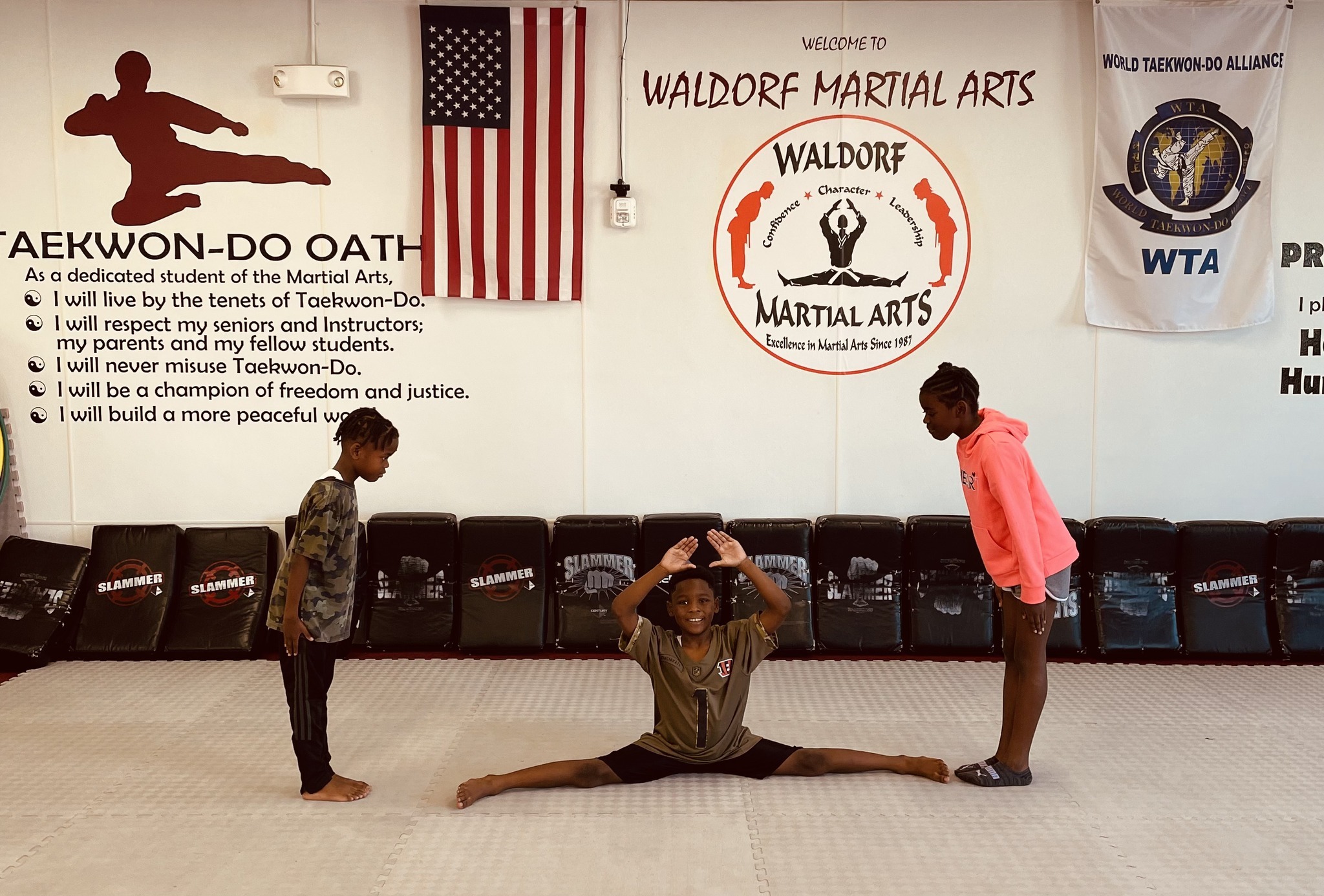
One of the most common questions parents ask before enrolling their child in martial arts is, “Will this make my child more aggressive?” It’s a fair concern. After all, martial arts involve kicking, punching, and self-defense skills. However, when taught properly, martial arts training does not make children aggressive. In fact, it often helps children become calmer, more disciplined, and more respectful in everyday life.
Understanding the difference between learning to fight and learning self-control is key.
What Martial Arts Really Teach Children
Quality martial arts instruction places character development ahead of physical techniques. While children do learn how to defend themselves, that is only one small part of the training. The primary focus is on teaching students how to think, make responsible choices, and manage their emotions.
From the first day of class, students are taught that martial arts skills are for protection only. They learn that avoiding conflict is always the preferred option and that physical self-defense is a last resort. This mindset helps children understand that strength comes from control, not aggression.
Self-Control Comes Before Self-Defense
A well-run martial arts school emphasizes self-control, discipline, and respect before introducing advanced techniques. Children are taught:
- To listen carefully and follow instructions.
- To respect instructors, classmates, and authority figures.
- To stay calm under pressure.
- To think before reacting.
Because of this structured environment, students learn how to pause, assess a situation, and make smart decisions. These lessons carry over into school, home, and social settings.
Why Martial Arts Do Not Create Bullies
Many parents worry that giving a child physical skills will encourage bullying. In reality, children who bully often lack confidence, discipline, and positive guidance. Martial arts addresses those gaps directly.
Since the 1990s, martial arts training has evolved from being primarily competition-focused into a personal development program for children. Most modern schools emphasize values such as respect, integrity, perseverance, focus, and self-control. Students who demonstrate poor behavior are corrected immediately, and misuse of techniques is not tolerated.
As children gain confidence through training, they are actually less likely to feel the need to prove themselves through aggression.
The Impact of Confidence on Behavior
One of the greatest benefits of martial arts training is increased self-confidence. Confident children are more secure in themselves and less reactive when faced with challenges or teasing. They learn how to handle frustration without anger and how to stand up for themselves without becoming confrontational.
This confidence often leads to:
- Better communication skills.
- Improved emotional regulation.
- Reduced anxiety in social situations.
Instead of reacting physically or emotionally, trained students are better equipped to respond thoughtfully.
Positive Changes at School and at Home
Parents frequently report noticeable improvements in their child’s behavior after starting martial arts. These improvements may include:
- Better focus and attention in school.
- Improved grades and classroom behavior.
- Increased respect toward parents, teachers, and peers.
- Greater responsibility and accountability.
The structured nature of martial arts classes reinforces positive habits that support success in all areas of life.
The Role of Values, Pledges, and Principles
A reputable martial arts school should clearly communicate its expectations for behavior. Many schools use a student pledge or code of conduct to reinforce proper attitudes both inside and outside the classroom.
In Taekwondo, students follow a set of guiding principles that emphasize moral development as much as physical training. These principles include Courtesy, Integrity, Perseverance, Self-Control, and Indomitable Spirit. Students are taught to respect their instructors, parents, and fellow students and to never misuse their training.
These values help children understand that martial arts is about becoming a better person—not about dominance or aggression.
Choosing the Right Martial Arts School Matters
Not all martial arts schools are the same. The instructor’s philosophy and teaching style play a major role in how training affects a child. Parents should look for a school that:
- Emphasizes respect and discipline.
- Clearly addresses appropriate behavior.
- Has rules against misuse of techniques.
- Communicates openly with parents.
A good school will prioritize safety, character development, and personal growth over competition or ego.
The Bottom Line
Martial arts training, when taught in a structured and values-based environment, is not only safe for children—it is one of the most effective ways to teach life skills. Far from making children aggressive, martial arts helps them develop self-control, confidence, respect, and sound judgment.
These lessons extend far beyond the training floor and help children grow into responsible, well-rounded individuals.
Want to Learn How to Choose the Right Martial Arts School for Your Child?
Read my article on what parents should look for in a quality program:
Click here to schedule a free consultation and introductory class to see if our martial arts program is right for your family! We invite you to come explore how our martial arts program can inspire your child to achieve great things. There’s no risk, no cost, no hassles. And we guarantee your continued satisfaction.
Author: Senior Master Roger Cavanaugh, 8th Degree Black Belt, has studied martial arts since 1977, and has taught martial arts in Waldorf, MD, since 1987.
