

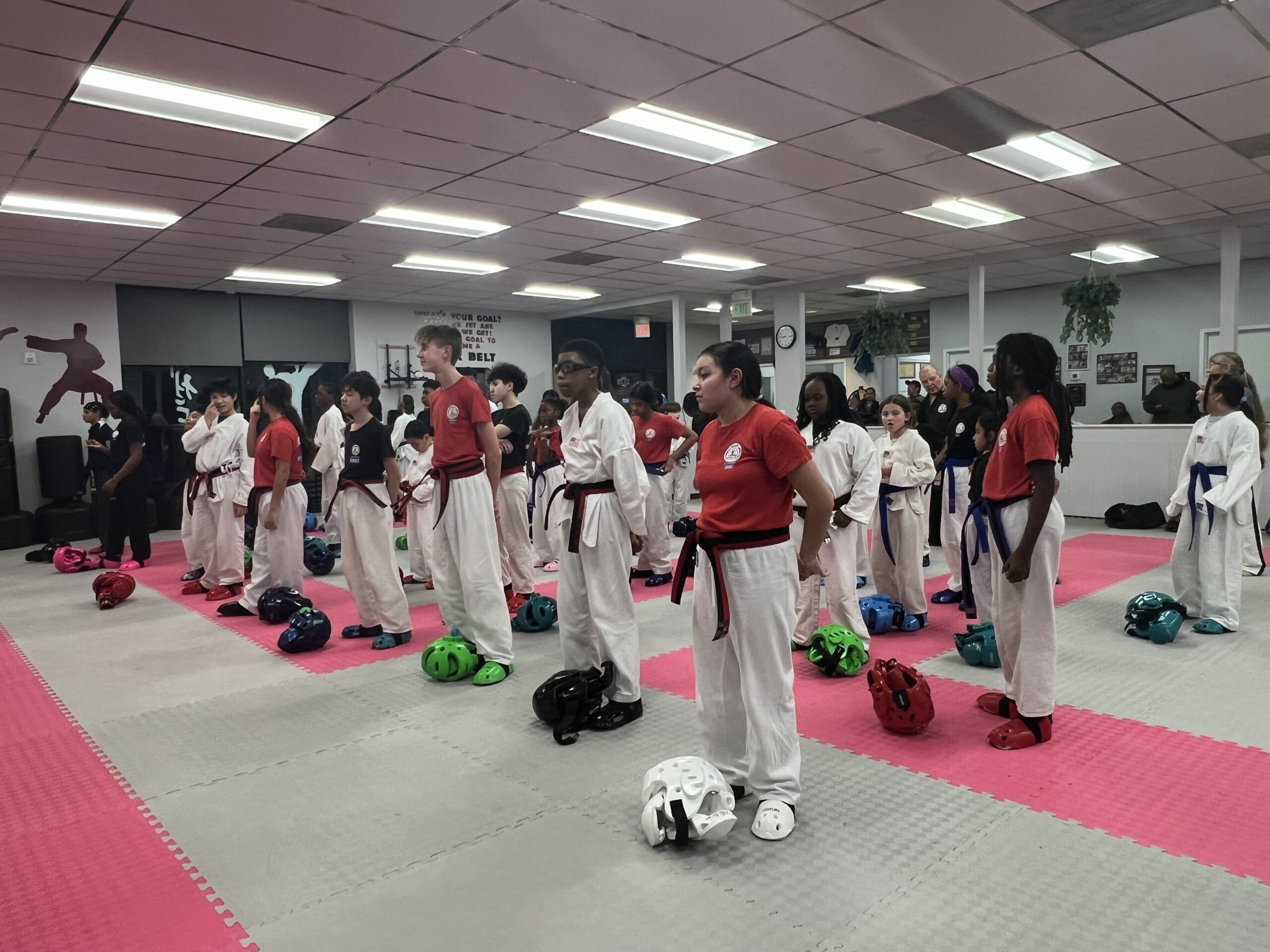
One of the most common questions parents ask themselves before enrolling their child in martial arts is, “Will my child stick with it?”
The honest answer is maybe… maybe not.
There isn’t a simple yes or no. Whether a child continues in martial arts depends on several factors working together. Think of it like a recipe. When the right ingredients are present—and consistently applied—the odds of long-term success increase dramatically. When key ingredients are missing, even a child with great potential may eventually drift away.
Let’s break down that recipe.
Ingredient #1: Consistent Practice Creates Progress
The most important ingredient in sticking with any activity is seeing progress. Children stay involved in things they feel they’re getting better at. But improvement doesn’t happen automatically. It happens through consistent effort. When a student attends class regularly and practices at home, even for 10–20 minutes a few times a week, their skills begin to sharpen. Techniques improve. Coordination develops. Confidence grows.
And here’s where the real magic happens:
Consistent Practice? Progress? Accomplishment? Higher Self-Esteem? Pride and Fun? Sticking Around.
When a child feels progress, they feel accomplished.
When they feel accomplished, their self-esteem increases.
When their self-esteem increases, they experience pride.
And when they feel proud of themselves, training becomes fun.
A child won’t continue doing something that feels frustrating or unrewarding. But when training becomes a source of pride and enjoyment, they want to keep coming back.
Ingredient #2: Commitment — Especially from the Parent
Martial arts is not a seasonal activity. It is not something a student tries for a few months and fully benefits from. Martial arts is a discipline—one that requires time, patience, and perseverance. Students should attend class two to three times per week on a consistent basis. To truly experience the deeper life skills—confidence, discipline, resilience, leadership—it often takes two to three years of steady training.
That commitment doesn’t belong only to the student. It belongs to the parent even more. A child’s likelihood of success increases dramatically when parents:
- Bring them to class consistently.
- Stay and watch their training; not scrolling on their phone.
- Encourage home practice.
- Offer sincere, heartfelt praise when it’s earned.
When parents are physically present and emotionally invested, children sense that support. They understand that training matters.
On the other hand, when a student is frequently dropped off, attends sporadically, or comes two to three times one month and barely attends the next, progress slows. When progress slows, discouragement sets in. Eventually, the child begins resisting class, and parents can only push for so long before giving in.
Consistency from the parent fuels consistency from the child.
Ingredient #3: The Belt System — Visible Milestones of Growth
One of the powerful motivators in martial arts is the belt ranking system. Each belt represents a level of growth—from beginner to intermediate to advanced and ultimately Black Belt. These ranks are not given away. They are earned. Students must attend a required number of classes and demonstrate satisfactory knowledge and performance of the curriculum at promotional gradings. Advancement is based on preparation, effort, and mastery. When a student earns a new belt, it symbolizes more than just technical skill. It represents dedication, improvement, and perseverance.
The belt system reinforces the success formula:
Parent Commitment? Consistent Practice? Progress? Achievement? Confidence? Pride? Continued Participation.
Without consistent attendance and preparation, however, a student cannot properly prepare for gradings. Missing classes means missing curriculum. Missing curriculum means slower progress. And slower progress can weaken motivation.
The belt system works beautifully—when supported by consistency.
Ingredient #4: Instruction That Keeps Kids Engaged
Another major factor in whether a child sticks with martial arts is the instructor’s teaching style. When I began training in the 1970s, most students were young adult men. Training was highly regimented and repetitive. We drilled the same techniques every class, in the same format, day after day—and we loved it.
Today, however, most schools teach a large number of children. And for children, repetition without variation often leads to boredom. And boredom is the enemy of progress. That’s why modern martial arts instruction incorporates what’s known as “disguised repetition.” The technique is practiced repeatedly—but in many different ways. A kick might be trained using focus mitts, kick shields, heavy bags, partner drills, slow-motion breakdowns, combinations, or reaction exercises. The skill is reinforced, but the experience remains fresh and engaging. When children are sweating, smiling, learning, and feeling successful, they stay involved.
If you’re evaluating a school, ask yourself:
- Are the kids engaged?
- Are they challenged?
- Are they having fun while learning discipline?
That balance is critical.
The Missing Ingredient: Passion
Even when every other ingredient is in place, one final factor remains: the child’s passion. Some children immediately fall in love with martial arts. Others take time to develop that connection. And occasionally, a child simply doesn’t resonate with it—and that’s okay. But when passion develops—supported by progress, structure, parental involvement, and engaging instruction—martial arts can become more than an activity. It can become a defining part of a young person’s life.
So… Will Your Child Stick with It?
It depends on the recipe.
When parents commit, attendance is consistent, progress is visible, instruction is engaging, and the child develops passion, the odds increase dramatically that martial arts will become a long-term journey. And when that happens, the rewards extend far beyond punches and kicks. Martial arts teaches children how to persevere when things are difficult. It teaches them to set goals and work toward them. It teaches responsibility, focus, respect, and self-control. It teaches them how to succeed—not just in class, but in life.
A Parent’s Words
Below is an excerpt from a letter we received from a parent:
“As a parent, if you are lucky, once in a lifetime your child will be exposed to people or an experience that will change their lives forever. You have done that repeatedly for Josh, and I am eternally grateful. I frequently have people tell me what a great kid he is – and I immediately tell them it’s all thanks to you at Waldorf Martial Arts.
“You have an awesome program that not only teaches kids a martial art, but to use it responsibly. By teaching the kids this, they learn focus and how to fit into today’s society. Whether you realize it or not, you are teaching not just Tae Kwon Do, you are teaching kids how to succeed in life.
“I wanted to ensure you knew just how much you are touching the young lives in our community. I am proud to know you and I am forever in your debt.”
- Mark M., Father
Final Thoughts
If you’re wondering whether your child should try martial arts, my advice is simple: try it. Follow the recipe. Stay consistent. Be involved. Encourage progress. Support the process. Do that, and you won’t just increase the odds that your child sticks with martial arts—you may give them skills and confidence that last a lifetime.
Click here to schedule a free consultation and introductory class to see if our martial arts program is right for your family! We invite you to come explore how our martial arts program can inspire your child to achieve great things. There’s no risk, no cost, no hassles. And we guarantee your continued satisfaction.
Author: Senior Master Roger Cavanaugh, 8th Degree Black Belt, has studied martial arts since 1977, and has taught martial arts in Waldorf, MD, since 1987.
