


Competition means testing your skills against the skills of another person who has trained in the same area. In martial arts, students have several opportunities to compete, including forms, sparring, weapons forms, board breaking, and team events.
But the true value of competition goes far beyond medals, trophies, or determining who is better on a particular day.
Competition provides experiences that regular practice simply cannot duplicate.
Facing Fear and Testing Yourself
One of the greatest benefits of competition is that it requires students to test their skills against someone they do not know, often in an unfamiliar environment and under pressure.
For a first-time competitor, this can be frightening.
What if I lose? What if I get hurt? What if I make a mistake?
What will my friends think? Will my instructor be disappointed in me?
These thoughts are normal. In fact, learning to face those fears is one of the reasons competition is so valuable.
It takes courage to step onto the mat knowing that you might not win. It takes confidence to perform in front of judges, instructors, teammates, parents, and strangers. And it takes perseverance to continue when things do not go exactly as planned.
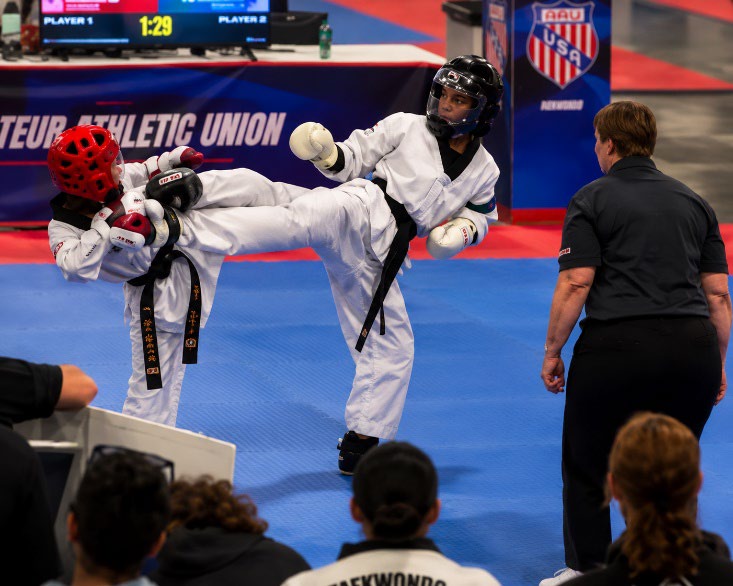
Competition gives students the opportunity to discover something important about themselves: “I was afraid, but I did it anyway.”
That lesson carries far beyond martial arts.
Practice Prepares You—Competition Tests You
Practice is where skills are learned and developed. Competition is where those skills are tested.
Imagine practicing baseball, football, basketball, or soccer week after week but never actually playing a game. You could improve tremendously in practice, but eventually you would need to test those skills against someone outside your own team.
Martial arts is no different.
In class, students become familiar with their instructors, training partners, routines, and surroundings. At a tournament, many of those familiar things disappear. Suddenly, the student must perform against people from other schools who may move differently, have different strengths, and use different strategies.
That experience can reveal strengths and weaknesses that might never become apparent during regular practice. Competition asks the question:
“Can you use what you have learned when the pressure is on?”
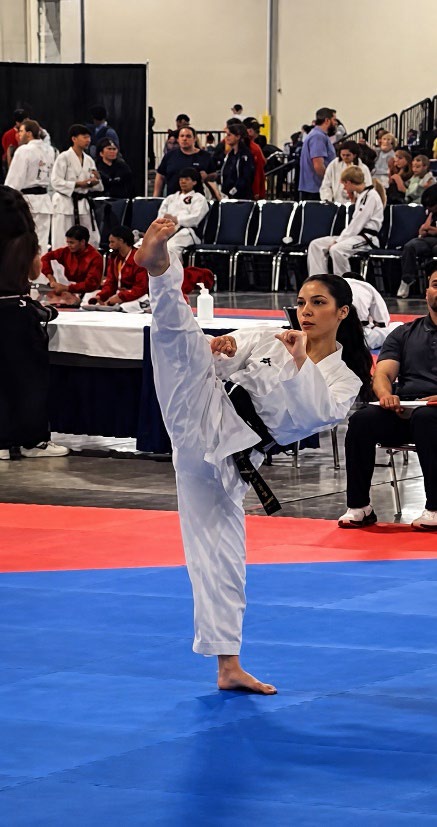
Competition Raises the Level of Training
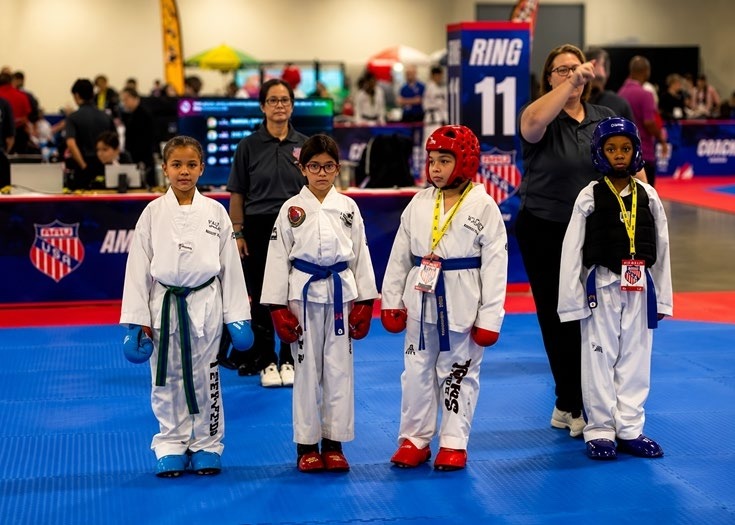
Something else often happens when students decide to compete: their training changes.
They begin paying greater attention to details. They practice harder and longer. They become more aware of their weaknesses. They learn to set goals and work toward a specific date when they will have to perform.
Their physical skills improve, but so do their mental skills.
They learn to manage nervousness, control emotions, maintain focus, make adjustments, and continue when they are tired, frustrated, or disappointed.
Over time, these experiences develop greater confidence and perseverance—and those qualities help develop stronger leaders.
You Don’t Have to Want to Be a Champion
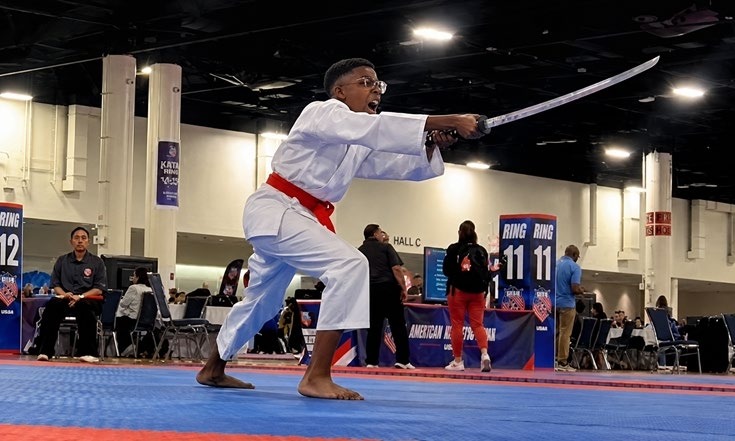
I realize that many martial arts students do not begin training because they want to compete.
Parents may enroll their children because they want them to develop better focus, greater respect, improved self-control, more confidence, better discipline, or simply become more outgoing and physically active.
Those are all worthwhile goals, and martial arts training alone can help students achieve them.
But a well-run competition can accelerate that growth because it places students in situations where those qualities must actually be used.
It is one thing to talk about confidence.
It is another thing to stand alone in front of judges and perform.
It is one thing to talk about perseverance.
It is another thing to lose a match, shake your opponent’s hand, return to practice, work on what went wrong, and try again.
That is where competition becomes much more than a sporting event. It becomes a classroom for life.
Learning How to Win—and How to Lose
Competition also teaches one of life’s most important lessons: how to handle success and failure.
Students learn to win with humility and good sportsmanship. They learn to respect their opponents and recognize that the person standing across from them helped challenge them to become better.
More importantly, they learn how to lose with dignity and respect.
Nobody wins all the time.
Sooner or later, every competitor meets someone who is faster, stronger, more experienced, or simply better on that particular day. Learning to accept that without making excuses, becoming bitter, or giving up is an enormously valuable life lesson.
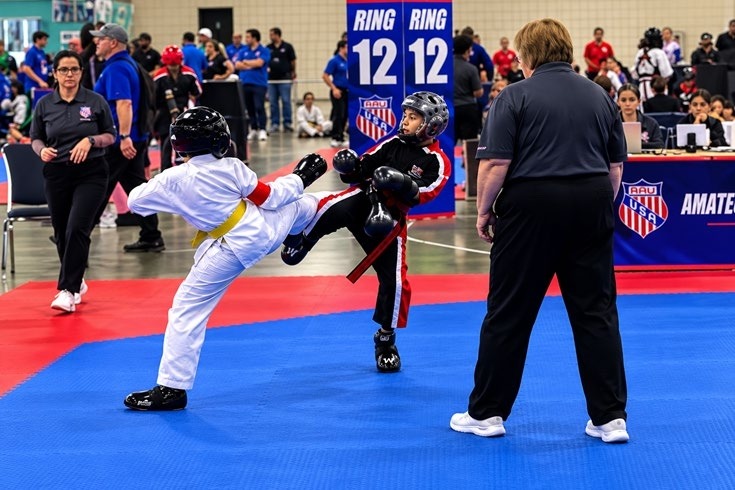
Martial arts teaches us, both figuratively and sometimes literally, how to take a punch, brush ourselves off, get back up, and try again.
In other words, competition teaches us how to deal with failure.
And failure, when approached correctly, is not the opposite of success. It is often part of the process of becoming successful.
Reaching Beyond Your Comfort Zone
Competition puts more on the line than ordinary practice can.
There is nervousness. There is uncertainty. There is pressure. There is the possibility of losing.
But that is precisely why competition can be so valuable.
Growth rarely occurs when everything is comfortable.
Competition encourages students to reach for higher levels of skill and achievement. It challenges them to discover what they are capable of physically, mentally, and emotionally.
The goal is not simply to become better than another person.
The greater goal is to become better than the person you were yesterday.
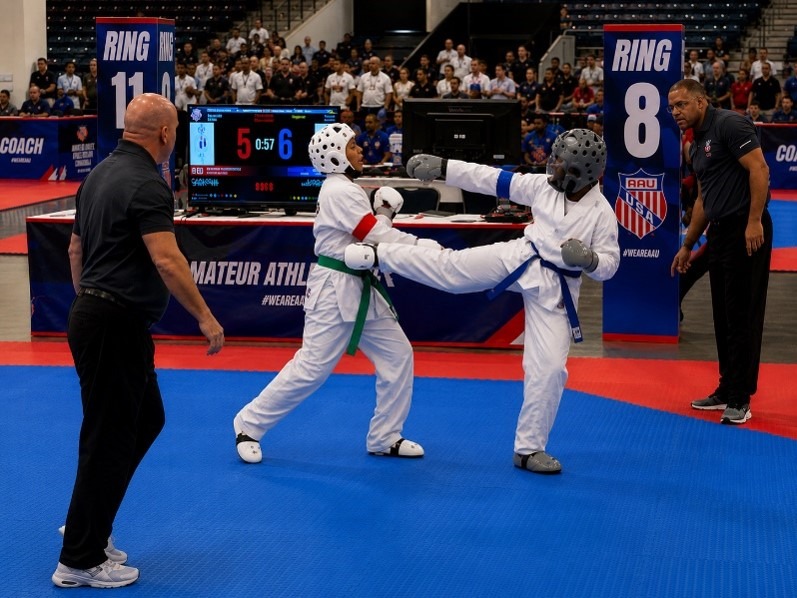
The Real Victory
In the end, the greatest benefit of competition is not the trophy you carry home.
Trophies eventually collect dust. Medals get placed in drawers. Years later, you may not even remember the score of a particular match.
But you will remember what you learned from the experience.
You learn confidence because you faced something that frightened you.
You learn perseverance because you kept going when things became difficult.
You learn self-control because you had to manage your emotions under pressure.
You learn respect because you discover that your opponent is not your enemy, but another student working toward many of the same goals.
You learn humility because you cannot always win.
And you learn courage because sometimes simply stepping onto the competition floor is a victory in itself.
There will always be someone who is better than you at something. Rather than allowing that to discourage us, we can allow it to inspire us to become better.
That is one of the greatest lessons competition can teach.
A rising tide lifts all ships. When we challenge one another to improve, we all become better.
Schedule a free introductory lesson today to see the difference martial arts can make.
Your child’s future won’t be shaped by accident.
It will be shaped by what you decide to do next.
Let’s get to work!
Author: Senior Master Roger Cavanaugh, 8th Degree Black Belt, has studied martial arts since 1977, and has taught martial arts in Waldorf, MD, since 1987.
